Electrical fire hazards are one of the most preventable risks in any home or workplace, yet they often go unnoticed until it is too late. Faulty wiring, overloaded circuits, and ageing switchboards can quietly create danger behind your walls. Knowing the common electrical fire hazards, and how to spot the early warning signs, helps you keep your family, your staff, and your property safe. Here are the risks to watch for in both residential and commercial buildings across Otago, along with practical ways to prevent them.
Key Takeaways
- The most common causes are overloaded circuits, ageing or faulty wiring, damaged cords, and missing RCD protection.
- Warning signs include a burning smell, warm outlets or switch plates, scorch marks, flickering lights, and breakers that trip repeatedly.
- Commercial premises carry extra risk from higher loads and constant use, so regular testing matters.
- Fitting modern RCD protection and booking regular inspections are the two most effective safeguards.
Overloaded Circuits and Power Boards
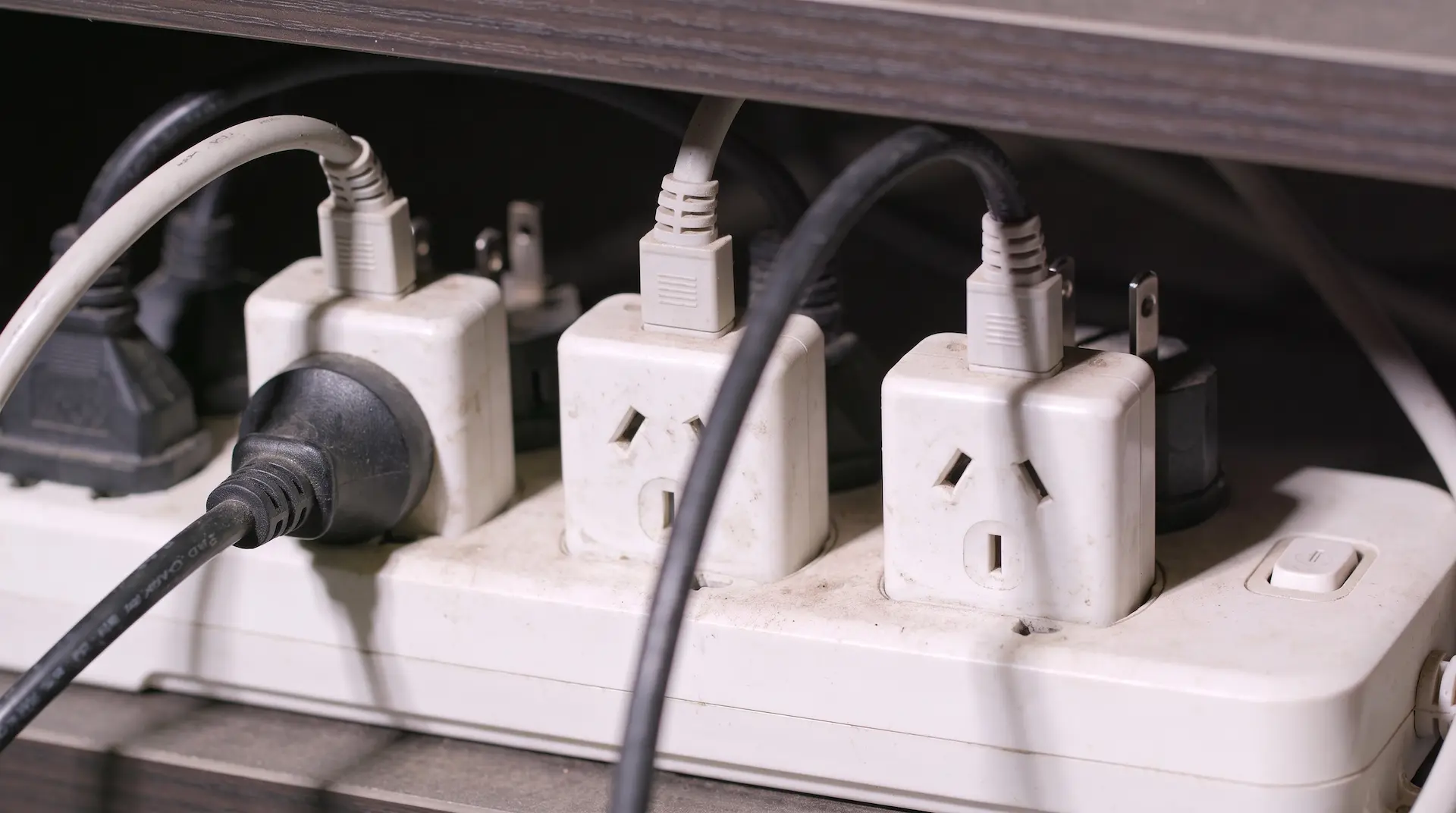
Plugging too many appliances into one circuit or a single power board is one of the most common causes of electrical fires. Overloaded circuits overheat, which can melt insulation and ignite nearby materials. In busy homes and workplaces it is easy to daisy-chain power boards under a desk or bench without realising the load. Spreading appliances across enough properly rated outlets is a simple fix.
Faulty or Ageing Wiring
Wiring does not last forever. Older buildings may still have wiring that was never designed for modern power demands, and years of wear can leave cables cracked or damaged. Warning signs include flickering lights, a buzzing sound from outlets, discoloured switch plates, and breakers that trip for no clear reason. If your building is older, or you notice any of these signs, have the wiring inspected. Repeated trips are covered in our guide to why circuit breakers trip.
Damaged Cords and Appliances
Frayed cords, cracked plugs, and damaged appliances are a frequent and often overlooked hazard. A worn cord can arc and spark, especially where it is pinched under furniture or run across a doorway. Replace damaged cords rather than taping them up, and take faulty appliances out of service until they are repaired or replaced.
Missing or Faulty RCD Protection
Residual current devices, or RCDs, are a vital safeguard against both electric shock and fire. They cut the power in a fraction of a second when they detect a fault. Older switchboards may lack RCD protection entirely, leaving faults to develop undetected. Fitting modern RCD protection is one of the most effective safety upgrades you can make. If the board itself is dated, the signs your switchboard needs an upgrade explains what to look for.
Poor Maintenance in Commercial Buildings
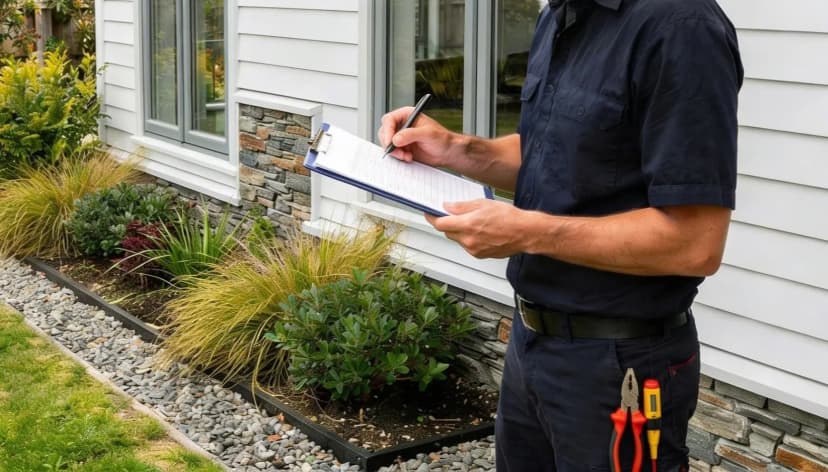
Commercial premises carry extra risk because of higher electrical loads, more equipment, and constant use. Overloaded distribution boards, poorly maintained machinery, and emergency lighting that is never tested can all become hazards. Regular professional inspections and testing keep systems safe and help you meet your obligations as a building owner or employer. Our guide to common electrical faults in commercial premises covers the issues we see most often on site.
Moisture, Heat and Dust
Water and electricity are a dangerous mix, so outlets and fittings exposed to moisture need the correct rating and protection. Heat that builds up around fittings that are covered or poorly ventilated, and dust gathering inside equipment, can also raise the risk of fire. Keeping electrical areas clean, dry, and clear makes a real difference.
Warning Signs Not to Ignore
Your building often warns you before a fault turns dangerous. A persistent burning smell, outlets or switch plates that feel warm, scorch marks, flickering lights, and breakers that trip again and again all deserve prompt attention. Acting early, rather than waiting to see whether the problem settles, is one of the best ways to prevent a fire. If in doubt, switch off the affected circuit and call a registered electrician. If a fault is already sparking, smoking or giving shocks, treat it as an emergency rather than a maintenance job; see our guide on electrical emergencies and when to call.
Landlords must keep rental properties in a reasonable state of repair and meet the Healthy Homes Standards, and working smoke alarms are a legal requirement. Routine electrical inspections are not currently mandatory in New Zealand, but a simple electrical safety check between tenancies, together with an up-to-date switchboard, is a sensible way to keep installations safe, protect your investment, and give both you and your tenants peace of mind. Our electrical safety checklist for landlords sets out what to review.
How to Prevent Electrical Fires
Most electrical fires are avoidable with a little care and the right professional support. A few simple habits go a long way:
- Book regular electrical inspections, especially for older or commercial buildings
- Avoid overloading circuits and power boards, and use properly rated outlets
- Replace damaged cords and faulty appliances promptly
- Upgrade an older switchboard and fit RCD protection
- Keep electrical areas dry, ventilated, and free of clutter
- Use a registered electrician for all fixed wiring work
Protect Your Home or Business
For commercial clients, our Gold SiteWise certification means our health and safety systems are independently assessed, so you can bring us on site with confidence. As EWRB registered Master Electricians with extensive industry experience, we carry out inspections, switchboard upgrades, and repairs for homes and businesses across Dunedin and Otago, each completed to the AS/NZS 3000:2018 standard and backed by a Certificate of Compliance and a fixed price quote.
Prevention Beats Repair
Electrical fire hazards rarely appear overnight. They build up slowly, which is exactly why regular checks and prompt repairs matter so much. A quick inspection today can prevent a serious loss tomorrow, and give you real peace of mind at home or at work.
Concerned about electrical safety in your home or business? Book an electrical inspection with A1 Electrical and protect what matters most. Contact us today for a free, fixed price quote.
Frequently Asked Questions
What are the most common electrical fire hazards?
The most common hazards are overloaded circuits and power boards, faulty or ageing wiring, damaged cords and appliances, missing or faulty RCD protection, poor maintenance in commercial buildings, and moisture, heat or dust building up around fittings.
What are the warning signs of an electrical fire risk?
Watch for a persistent burning smell, outlets or switch plates that feel warm, scorch marks, flickering lights, and breakers that trip again and again. Acting early rather than waiting to see whether the problem settles is one of the best ways to prevent a fire. If in doubt, switch off the affected circuit and call a registered electrician.
How can I prevent electrical fires?
Book regular electrical inspections, especially for older or commercial buildings, avoid overloading circuits and power boards, replace damaged cords and faulty appliances promptly, upgrade an older switchboard and fit RCD protection, keep electrical areas dry, ventilated and free of clutter, and use a registered electrician for all fixed wiring work.
Do landlords have responsibilities for electrical safety?
Yes. Landlords must keep rental properties in a reasonable state of repair and meet the Healthy Homes Standards, and working smoke alarms are a legal requirement. Routine electrical inspections are not currently mandatory in New Zealand, but a simple electrical safety check between tenancies, together with an up-to-date switchboard, helps keep installations safe for tenants and protects the investment.