Owning a rental property in this region comes with clear legal responsibilities, and electrical safety sits right at the centre of them. Between the Residential Tenancies Act, the Healthy Homes Standards and the Electrical (Safety) Regulations 2010, it is easy for landlords to lose track of exactly what is required. This checklist breaks it down into practical, actionable steps.
A1 Electrical has supported local landlords and property managers for many years, carrying out compliance checks, switchboard upgrades and rewiring work. Here is what every landlord should be reviewing.
1. Understand Your Legal Obligations
Under the Residential Tenancies Act, landlords must provide working smoke alarms in every rental property, and this sits alongside the five Healthy Homes Standards covering heating, insulation, ventilation, moisture and draught stopping. Since 1 December 2020, most new or renewed tenancy agreements must include a signed Healthy Homes compliance statement, and all private rentals must fully comply with the standards. Landlords who fall short can face financial penalties, so staying ahead of these requirements protects both your tenants and your investment.
2. Get Smoke Alarms Right
Smoke alarms are one of the simplest compliance items to get right, yet a common source of penalties when overlooked. Alarms must be photoelectric, not the older ionisation type, and must be long life, either hardwired or fitted with a sealed battery rated for at least eight years. Every rental home needs an alarm within three metres of each bedroom door, and a working alarm on every level of a multi storey property.
Quick checklist
- Photoelectric, long life or hardwired smoke alarms fitted in every required location
- Alarms tested and working at the start of every new tenancy
- A record kept of installation dates and last test dates for each property
3. Check Safety Switch Coverage
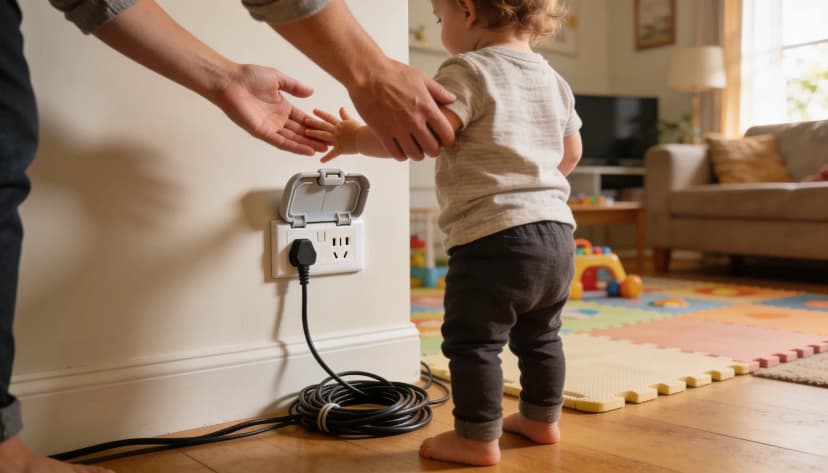
Safety switches, or RCDs, cut power within milliseconds if a fault is detected, protecting tenants from electric shock and reducing fire risk. Under the Electricity (Safety) Regulations 2010, any new or altered electrical work, including circuits in bathrooms and laundries, must include RCD protection where required by AS/NZS 3000. There is no blanket rule requiring every older rental property to be retrospectively fitted with RCDs simply because it is rented or because it has a wet area, provided the existing wiring remains electrically safe. Even so, many landlords choose to retrofit RCD protection on wet area circuits as good practice, since it offers stronger protection for tenants and helps limit liability exposure.
4. Inspect the Switchboard and Wiring Condition
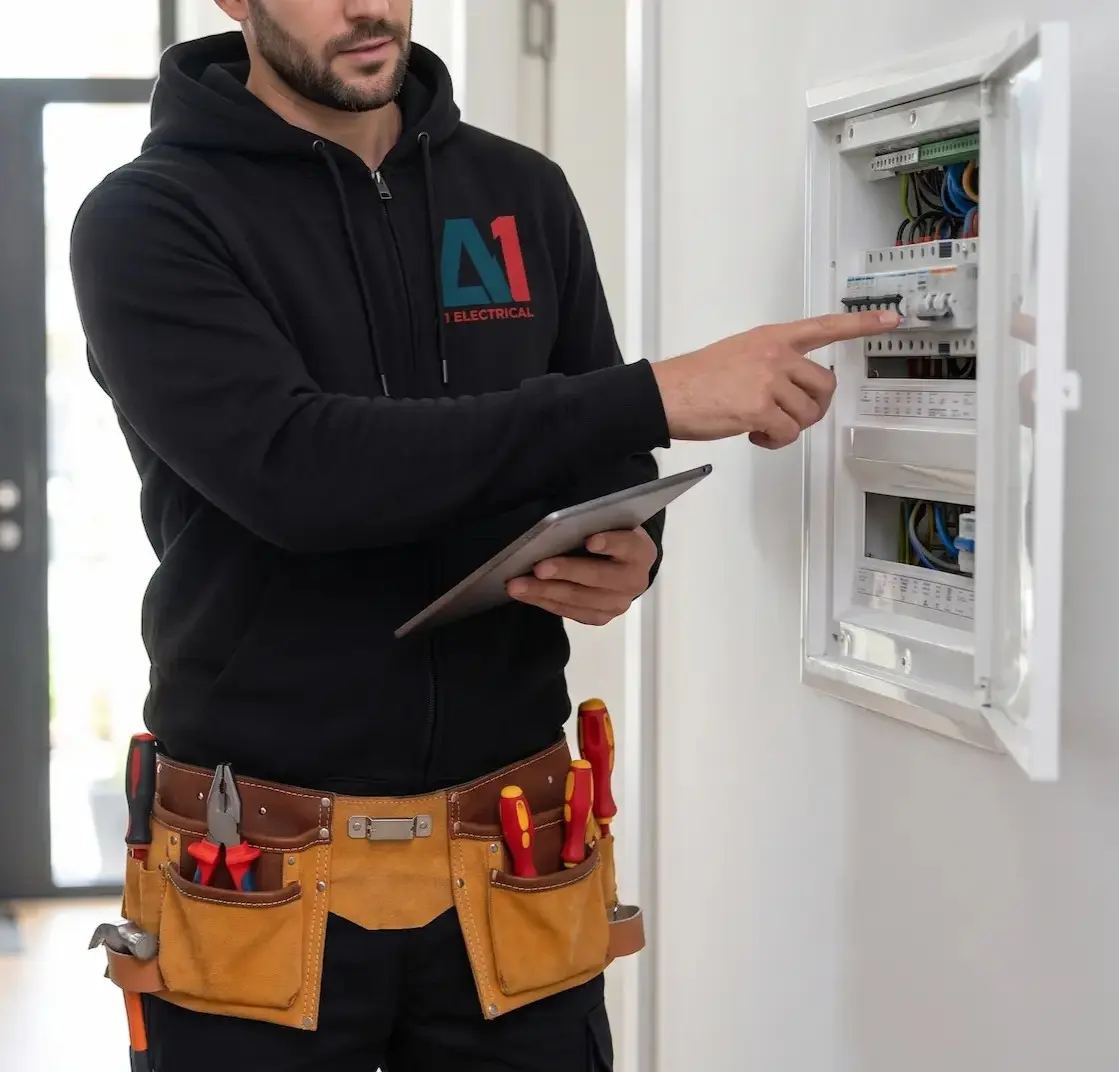
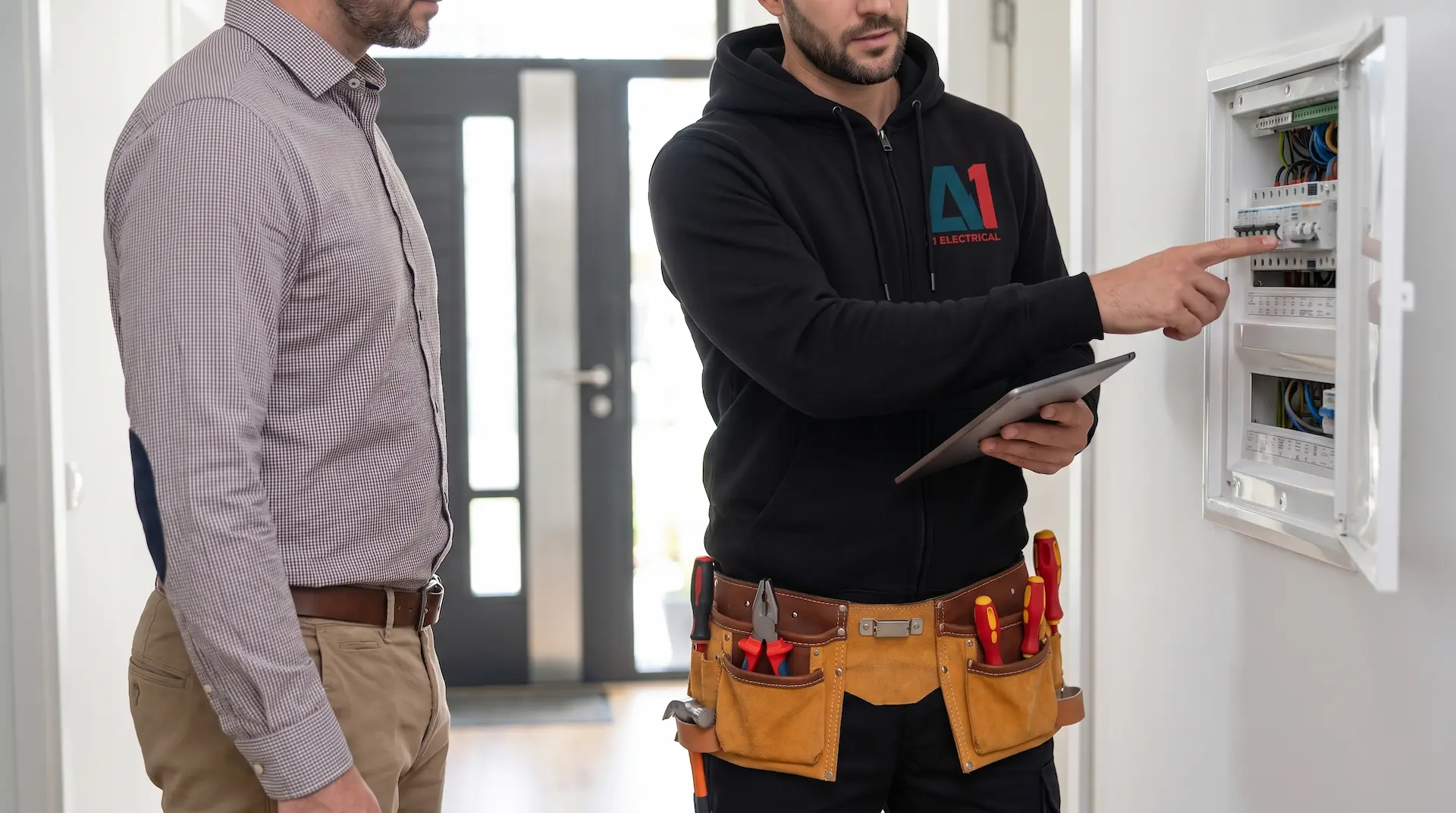
This region has no shortage of beautiful older villas and character homes, many of which still have original wiring decades old. Ageing wiring can develop brittle insulation, loose connections and undersized circuits that were never designed for modern appliance loads. A periodic inspection by a registered electrician will confirm whether your switchboard and circuits are still fit for purpose, and any fixed wiring work carried out should come with a Certificate of Compliance.
5. Maintain Appliances and Fixed Equipment
Any electrical appliances supplied with the property, such as ovens, heat pumps or hot water systems, need to be kept in safe working order. Check cords for fraying, confirm heat pumps are serviced, and consider regular test and tag of provided appliances so any fault is caught early. Make sure, too, that there are enough power points in each room so tenants are not relying on extension cords or overloaded multi boards.
6. Keep Clear Compliance Records
Good documentation protects you if a tenant raises a concern or a compliance inspection is required. Keep records of your smoke alarm installation dates, any Certificates of Compliance issued for electrical work, and your signed Healthy Homes compliance statement for each tenancy. If you manage several properties, a scheduled annual check across your whole portfolio makes this far easier to stay on top of. Running a business alongside your rentals? Our electrical safety maintenance plan guide covers the commercial side of the same discipline.
Your Landlord Electrical Safety Checklist at a Glance
- Photoelectric, long life smoke alarms fitted and tested in every required location
- RCD protection reviewed on bathroom and laundry circuits, with retrofitting considered where the existing installation lacks it
- Switchboard and wiring condition reviewed by a registered electrician
- Certificates of Compliance kept on file for any fixed wiring work
- Provided appliances checked for safe, working condition
- Healthy Homes compliance statement signed and up to date
What Our Clients Say
“DPM Group has been using A1 Electrical for five plus years now. Darren and his team provide excellent service to our multiple properties. Jobs are completed in a timely and professional manner, communication is excellent and we have found all staff great to work with. Feedback from our tenants and landlords has all been positive. We have no hesitation in recommending A1 Electrical.”
— Mary Donovan, Director, DPM Group
Book Your Electrical Safety Checklist for Landlords Today
A1 Electrical offers fixed price electrical safety inspections for landlords and property managers across Dunedin, Mosgiel and the Otago region. Our EWRB registered, Gold SiteWise certified team can confirm your compliance status and issue a Certificate of Compliance for any work carried out.