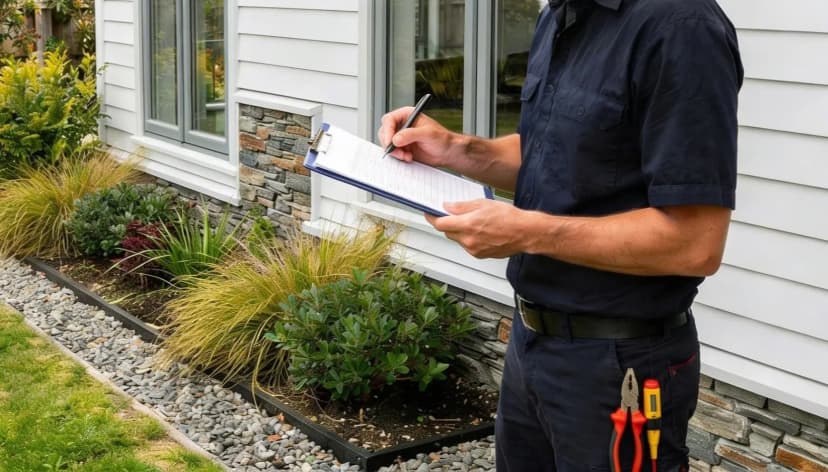
Electrical Inspection in Dunedin: Don't Wait for a Problem
Is your Dunedin home's wiring up to scratch? Learn why a professional electrical inspection helps prevent hazards, avoid costly repairs, and protect your property.
Read Now Read Now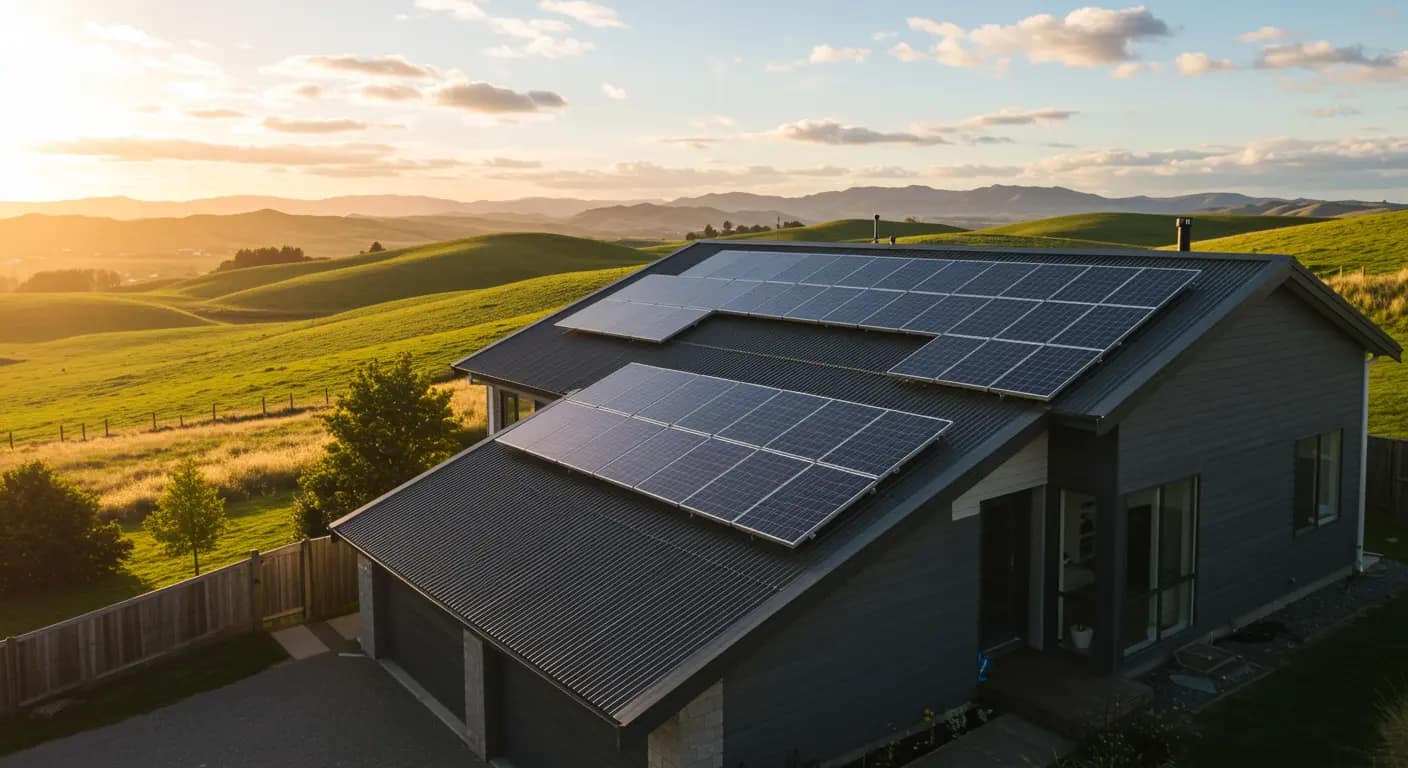
More Kiwi homeowners are asking whether solar panels are worth the investment, and it’s a fair question. With electricity prices continuing to climb and solar technology more affordable than ever, the numbers are starting to make a lot of sense for many New Zealand households. But the decision is not one-size-fits-all, and there are some important things to understand before you commit.
As a licensed electrical contractor serving Dunedin and the wider Otago region, A1 Electrical has been involved in solar panel installations for local homeowners and can offer practical, grounded advice on what the investment actually involves.
Solar system prices in New Zealand have dropped dramatically over the past decade. Where a system might have cost $40,000 back in 2008, a typical residential installation today sits in a much more accessible range. As a general guide for 2025 and 2026:
These figures are a starting point. Your actual cost will depend on your roof type, system size, panel quality, and whether you include a battery. Getting a detailed quote from a qualified electrician is always the right first step.
This is one of the most common concerns we hear from Dunedin homeowners. The short answer is yes. Most of New Zealand, including Dunedin, has a better solar climate than much of Germany, which has one of the highest solar adoption rates in the world. Dunedin receives good solar radiation year-round, and while our winters are shorter on daylight hours, the summer generation more than compensates.
New Zealand’s solar resources are spread relatively evenly across the country compared to many other nations. Whether you are in Mosgiel, South Dunedin, or out in rural Otago, solar panels can generate meaningful power for your home.
Payback periods vary depending on your household’s energy usage, how much of the solar power you use directly during the day, and your current electricity rates. As a general guide, New Zealand homeowners are typically seeing payback periods of between five and eight years.
After that payback period, the electricity your system generates is essentially free for the remaining life of the panels, which is typically 25 to 30 years. When you look at it that way, solar is less like an expense and more like a long-term investment in your property. EECA modelling shows most homeowners see annual returns of 6 to 14% on their solar investment.
Households that are home during the day tend to see the best returns, because they can use the solar power as it is being generated rather than exporting it to the grid at a lower rate. If you are mainly out during daylight hours, adding battery storage can help you capture and use more of what your panels produce.
Yes. Most New Zealand power retailers offer a solar buy-back rate for any excess electricity your panels export to the grid. Buy-back rates vary by retailer and can range from around 8 cents to 40 cents per kWh depending on your agreement and the time of day. It pays to compare what different retailers are offering before you install, as this can have a meaningful impact on your overall savings.
Buy-back alone should not be the main reason you install solar. The best financial return comes from using as much of your own generated power as possible, and treating buy-back as a bonus on top of your direct savings.
Upfront cost is one of the main things that makes homeowners hesitate. The good news is that financing options in New Zealand have improved considerably. Several major banks now offer green home loans at very low interest rates, covering solar panels, batteries, and related upgrades. Some products offer fixed rates as low as 1% over three years, making the upfront commitment far more manageable.
For A1 Electrical customers, finance is also available through MTF Finance Dunedin South, making it straightforward to spread the cost of your solar installation across regular payments. Ask us about this option when you request a quote.
Recent regulatory changes have made this simpler. For most residential rooftop solar installations on existing homes, a building consent is no longer required. For new builds that include solar from the design stage, councils are required to fast-track consent processing. Your installer should be able to confirm exactly what documentation is needed for your specific project.
Electrical work associated with your solar installation must be carried out by a registered electrician. The system must comply with current New Zealand wiring standards, and a Certificate of Compliance is required for all fixed electrical work.
Not every home is equally suited to solar. Here are the main factors to think through before you proceed:
A north-facing roof with a pitch between 15 and 40 degrees will generate the most power in New Zealand. East and west-facing roofs can still work well. It is also worth getting your roof inspected before installation. If your roof needs repairs in the near future, it makes sense to address those first to avoid removing and reinstalling panels later.
Trees, neighbouring buildings, and chimneys can reduce your system’s output significantly. A site assessment will identify any shading issues. In some cases, trimming overhanging trees or choosing micro-inverters over a string inverter can help minimise the impact.
Households that use more power during daylight hours will see a better return. If you are home during the day, running appliances like your dishwasher and washing machine while the sun is shining will maximise your self-consumption. If you are mainly home in the evenings, a battery system may be worth the additional investment.
Not all solar panels are equal. Look for panels with strong product warranties of 25 years or more, from manufacturers with a track record of reliability. Your inverter will also need to be replaced at some point during the life of the system, so factor that into your planning. A reputable installer will walk you through the options and help you choose gear suited to your home and budget.
Is your Dunedin home's wiring up to scratch? Learn why a professional electrical inspection helps prevent hazards, avoid costly repairs, and protect your property.
Read Now Read Now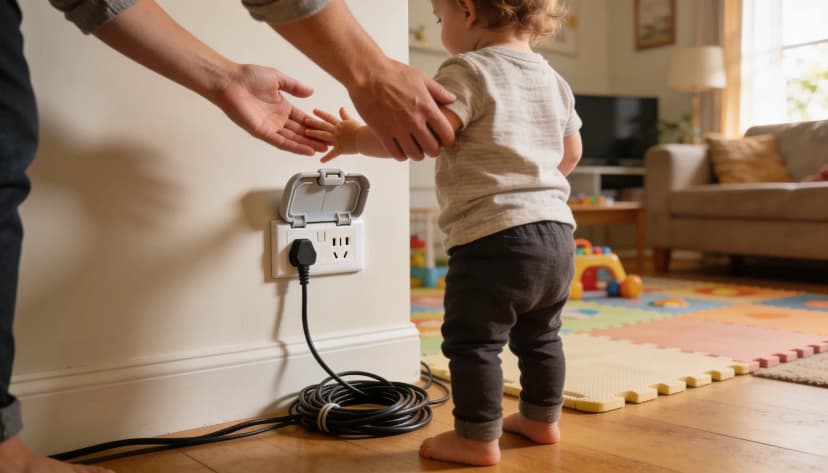
Practical electrical childproofing tips for Dunedin and Otago families, covering safety switches, power points, cords and switchboards in new builds and character homes.
Read Now Read Now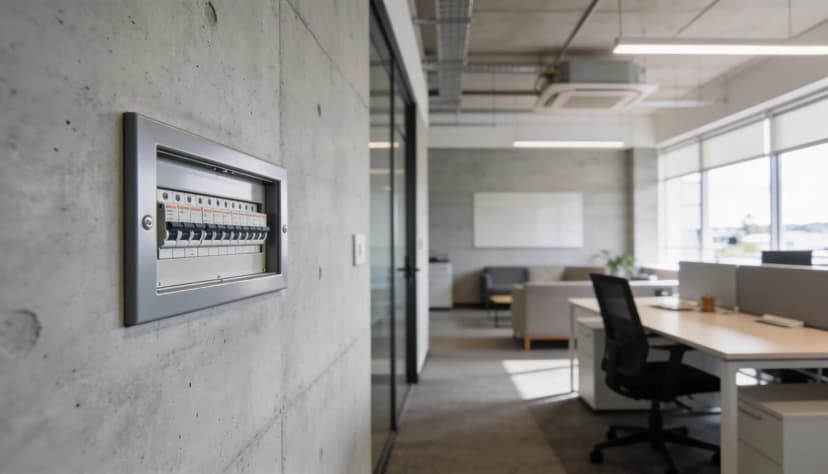
Learn the most common electrical faults in commercial premises across Dunedin and Otago, and how A1 Electrical can help you prevent them.
Read Now Read Now