If you’ve lived here long enough, you know our weather doesn’t do things by halves. One day you’re dealing with coastal drizzle, the next there’s frost on the ground in Central. As Master Electricians who’ve worked across the region for many years, we’ve seen how these conditions take their toll on electrical systems – and what you can do about it.
Salt Air and Coastal Humidity
Living near the harbour has its perks, but salt-laden air isn’t one of them when it comes to your electrical installation. That moisture accelerates corrosion on electrical components, especially outdoor installations, switchboards in garages, and any exposed wiring connections.
We regularly open up switchboards in coastal properties and find corroded circuit breaker contacts and busbar connections. Left unchecked, this creates fire risks and causes those frustrating unexpected power failures.
If you’re near the coast, it’s worth considering:
- Marine-grade components where possible
- Properly rated enclosures for outdoor installations
- Regular inspections to catch corrosion before it becomes a problem
Temperature Swings in Central
Head inland and you’re dealing with a different beast entirely. Summer days pushing past 30°C, winter nights dropping well below -10°C – that constant expansion and contraction stresses everything in your electrical system.
Common issues we see:
- Wiring insulation is becoming brittle from repeated expansion and contraction
- Junction boxes are developing gaps as seals degrade during freeze-thaw cycles
- Underground cabling damaged by ground frost and ice formation
- Heat pumps are working overtime during extreme cold
We install Mitsubishi, Panasonic, Fujitsu, and Toshiba heat pumps because they’re proven in our conditions. Mitsubishi units are specifically manufactured for New Zealand’s climate, engineered to handle our temperature extremes while maintaining efficiency.
Storm Damage and Power Line Protection
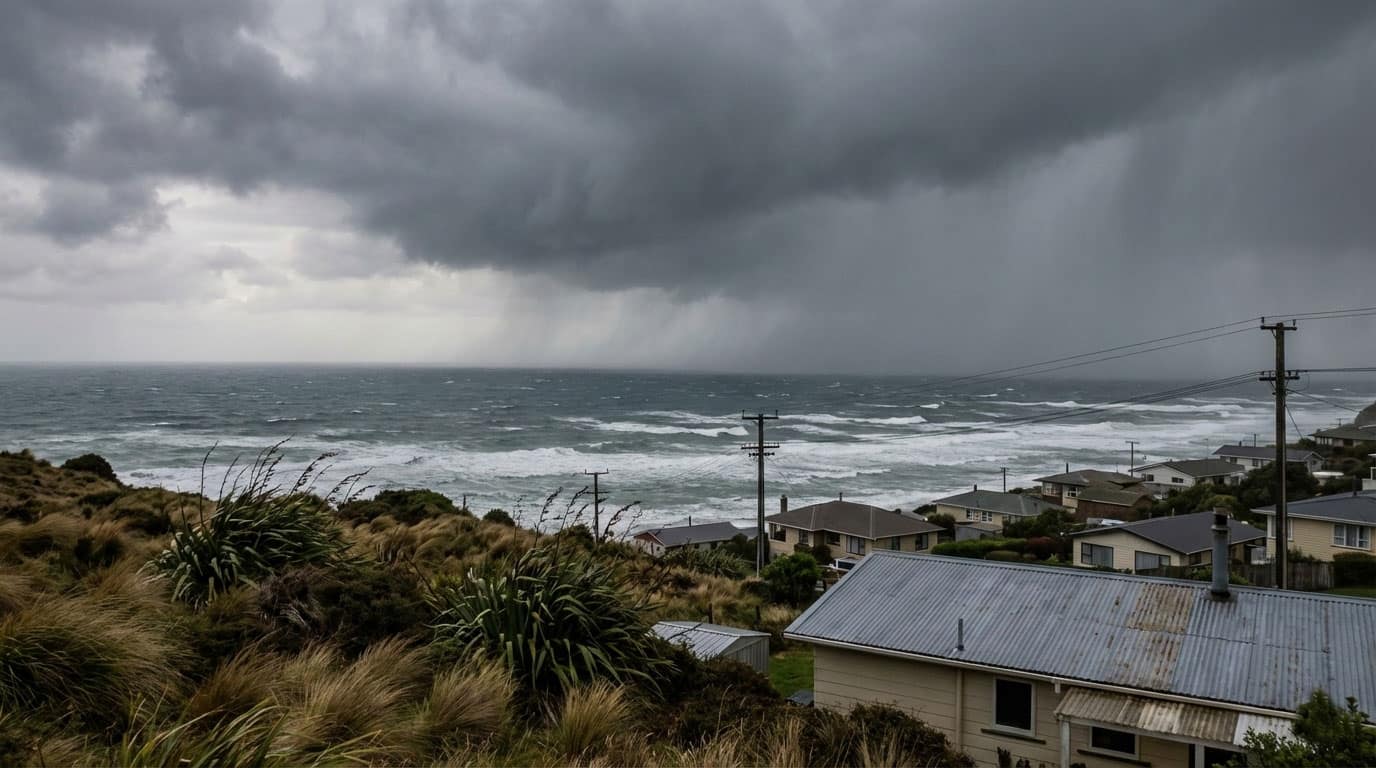
We all know what a good southerly can do. Heavy rain, strong winds, and inevitably, tree branches finding their way into power lines. It causes outages and creates genuine safety hazards.
Our power line wrap services help prevent this. Line wraps and tiger tails create a barrier that stops vegetation contact, keeping your power on and eliminating fire risks from arcing.
For your property, it’s about making sure outdoor installations can handle what gets thrown at them:
- Security and garden lighting
- EV charging stations
- Any exposed electrical equipment
Damp Houses and Old Wiring
Here’s something people don’t always think about – it’s not just outdoor installations affected by our climate. Older homes especially tend to have moisture issues in wall cavities, ceiling spaces, and subfloor areas where wiring runs.
That moisture accelerates corrosion, degrades insulation, and can create paths for electrical current to go where it shouldn’t. It’s one of the main reasons we recommend switchboard upgrades for older properties. Modern enclosures handle moisture far better, and contemporary wiring systems are much more resistant to this kind of degradation.
Protecting Your Property
After significant weather events, we recommend visual checks of accessible electrical installations. Keep an eye out for:
- Signs of water getting in where it shouldn’t
- Physical damage from wind or debris
- Any unusual smells that might indicate moisture problems
If something looks off, give us a call rather than investigating yourself. Our 24/7 emergency service means you won’t be waiting around when safety’s at stake.
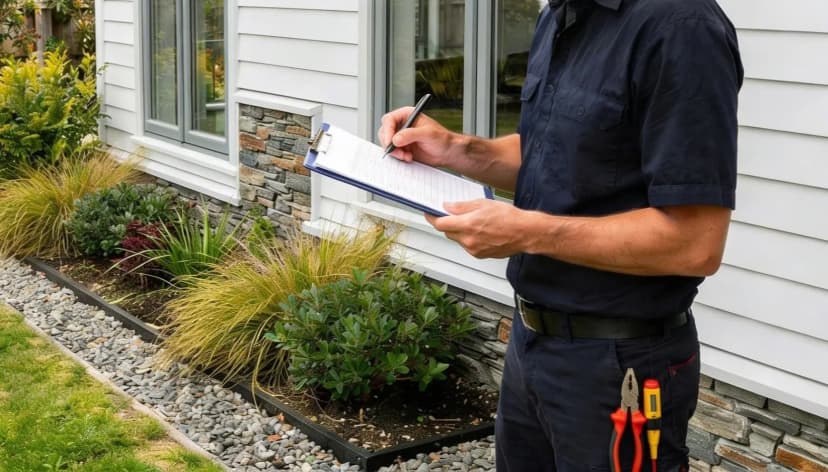
Regular electrical inspections are your best defence against weather-related issues building up over time. We check all accessible infrastructure for damage, test safety devices like RCDs, and can point out areas where better weather protection might save you trouble down the track.
Want to make sure your electrical system can handle whatever the weather throws at it? Get in touch for a free consultation – we’ll give you honest advice on what actually needs attention and what can wait.