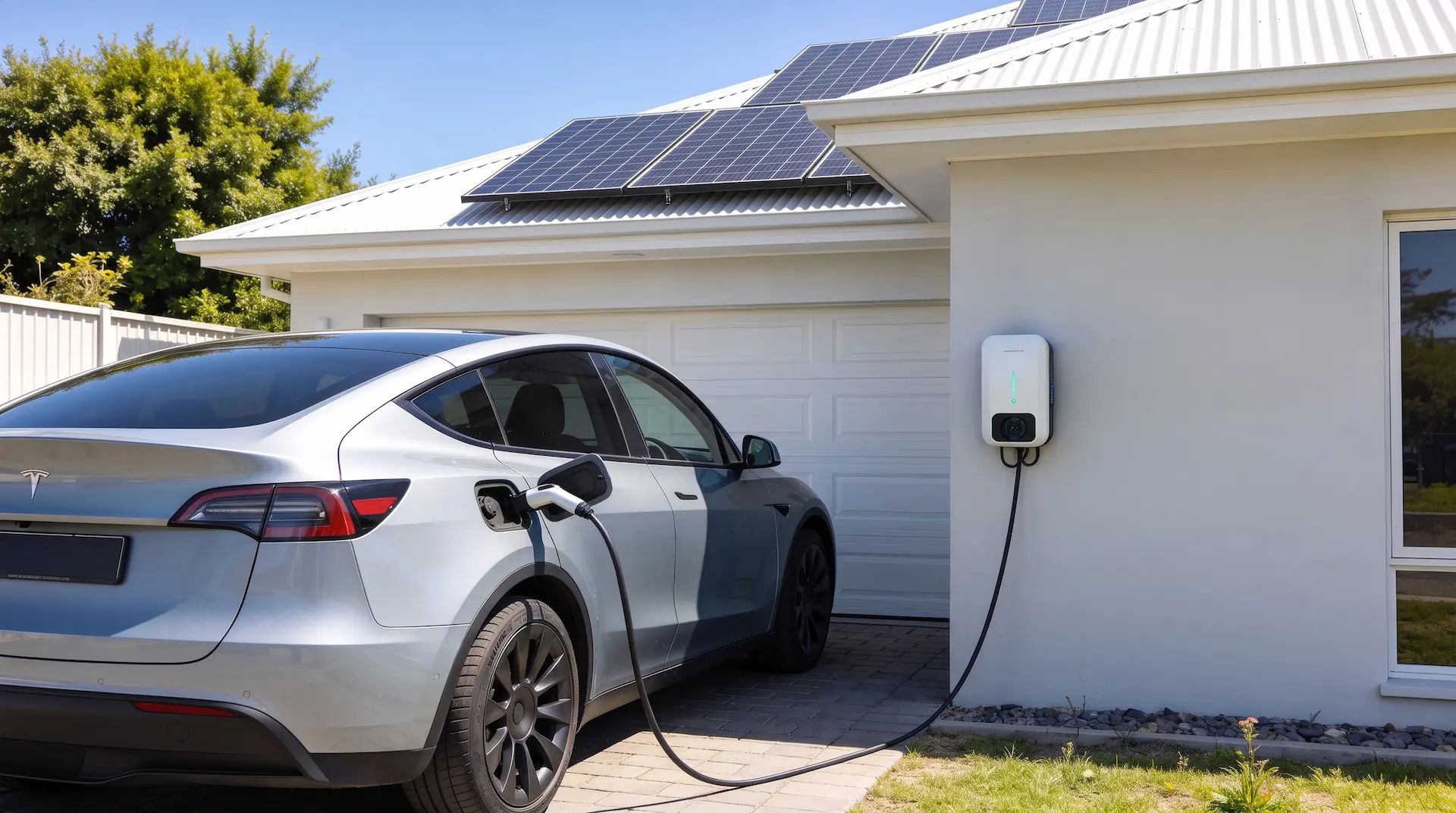
More Kiwi homeowners are asking a practical question: can solar power run heat pumps and EV chargers, or is that expecting too much from the panels on the roof? The good news is that a well-designed solar system can comfortably run a heat pump and help charge an electric vehicle, especially during the sunnier months. The detail is in how you size the system and when you use the power. Here is what homeowners across Otago need to know before going solar.
Key Takeaways
- A well-sized solar system can run a heat pump and help charge an EV, especially in the sunnier months.
- The trick is timing: use big loads in the middle of the day when your panels are producing.
- Adding EV charging often means an extra two to three kilowatts of solar, bringing many homes to around eight to ten kilowatts.
- A battery is optional; you can save well by shifting heavy use to daylight and adding storage later.
How Solar Power Works With Big Household Loads
Solar panels generate the most electricity in the middle of the day, when the sun is high. A heat pump and an EV charger are two of the largest electrical loads in a modern home, so the key is matching your usage to when your panels are producing. Run these appliances while the sun is shining and you draw on free solar power rather than buying from the grid.
Can Solar Run a Heat Pump?
Yes. A heat pump is an efficient way to heat and cool your home, and it pairs well with solar. Because heat pumps use relatively modest amounts of power to move heat around, daytime solar generation can cover much of their running cost. Heating your living areas in the afternoon, or pre-warming the home before evening, lets you make the most of your own solar energy.
Can Solar Charge an EV?
It can, and the savings are significant. A typical New Zealand driver needs only a few extra units of generation each day to cover normal commuting. Charging your car during daylight, when surplus solar is available, can bring your running cost close to zero, compared with roughly 15 to 20 cents a kilometre for a typical petrol car at current NZ fuel prices (your figure will vary with your vehicle). A smart charger makes this easy by adjusting the charging speed to match how much surplus power your panels are producing at any moment.
What Size Solar System Do You Need?
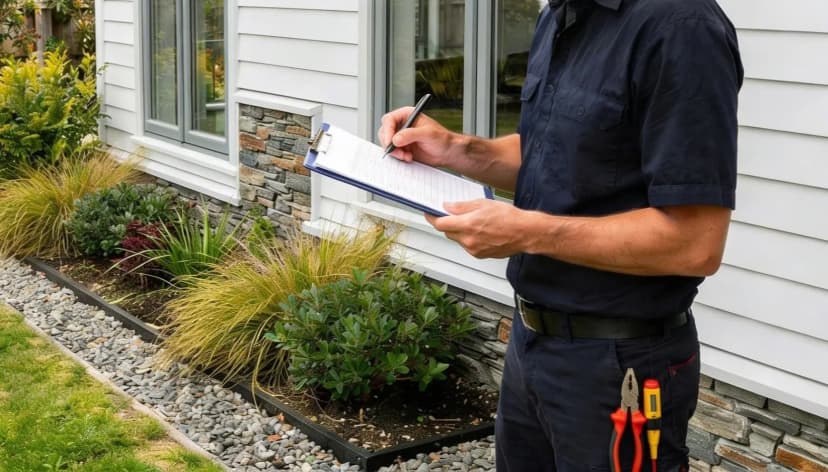
To comfortably run a heat pump and charge an EV, most homes look at a larger system than a basic setup. As a general guide, a household adding EV charging often needs an extra two to three kilowatts of solar capacity on top of its base system, which can bring the total to around eight to ten kilowatts. The right size depends on your driving habits, your heating needs, and your roof space, so it always pays to have the load assessed properly. Building new? It pays to get the wiring right first; see our guide on how many power points a new home actually needs, including planning ahead for an EV charger.
Do You Need a Battery?
A battery is optional, not essential. Solar works well without one if you shift most of your heavy usage to daylight hours. A home battery stores surplus solar so you can use it in the evening, which suits households that are out during the day. Your EV itself works like a large battery for your travel: charge it on daytime solar and you are effectively storing that energy to use on the road. (Feeding power from the car back into the home, known as vehicle-to-home, is still uncommon in New Zealand.) Many homeowners start without a battery and add one later.
The New Zealand Reality
Solar performs strongly here in summer and more modestly in winter, when heating demand is highest and daylight is shorter. In practice this means solar will cover most of your heat pump and EV needs across the warmer months, with some grid support in winter. New Zealand’s grid electricity has been around 80 to 90 percent renewable in recent years (MBIE figures), so even the power you draw from the grid is relatively clean. Realistic expectations, and a system sized for your home, are the key to a setup you will be happy with.
Simple Ways to Get the Most From Solar
A few small habits make a big difference to how much you save. Set your heat pump and hot water to run in the middle of the day, use timers or a smart charger so your EV tops up while the sun is out, and run the dishwasher or washing machine during daylight. The more of your own solar you use as it is generated, the less you pay for power from the grid, and the faster your system pays for itself.
Getting the Whole System Right
Because we install solar, heat pumps, and EV chargers, we can design all three to work as one system rather than three separate jobs. As EWRB registered Master Electricians with extensive industry experience across Dunedin, Mosgiel, and Otago, we complete every installation to the AS/NZS 3000:2018 standard and hand over a Certificate of Compliance with a fixed price quote agreed before we begin.
The Bottom Line for Kiwi Homes
So, can solar power run heat pumps and EV chargers? For most New Zealand homes the answer is yes, provided the system is sized correctly and you make good use of daytime generation. Done well, solar can cut your power bills and your driving costs at the same time.
Thinking about solar, a heat pump, or an EV charger? Talk to A1 Electrical about a system designed to work together for your home and lifestyle. Contact us today for a free, fixed price quote.