Why Does My Circuit Breaker Keep Tripping? Common Causes Explained
Few things interrupt an evening faster than the lights going out because a circuit breaker has tripped again. It is easy to assume something is broken, but a tripping breaker is actually your electrical system doing exactly what it is designed to do, protecting your home from a fault before it becomes dangerous. If breakers in your Otago home keep tripping, here is what is usually going on and when it is time to call a Master Electrician.
In short: an occasional trip is usually nothing to worry about. Repeated trips, a breaker that will not reset, a burning smell or a warm switchboard mean it is time to call us.
What a Circuit Breaker Actually Does
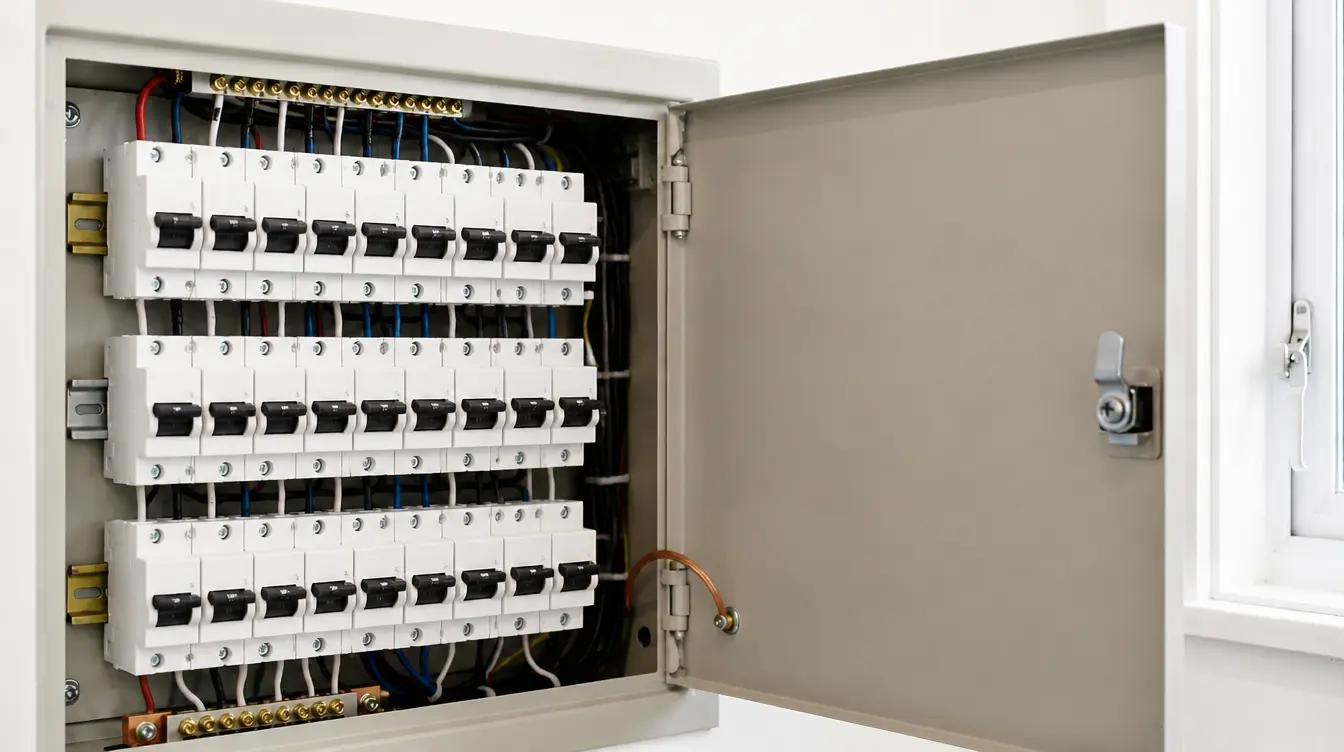
A circuit breaker constantly monitors the current flowing through a circuit. If it senses more current than the circuit is rated to handle, it trips and cuts the power automatically. This is different from a safety switch, or RCD, which trips when it detects current leaking to earth, a sign of a potential shock hazard rather than an overload. Most modern switchboards use a combination of both to cover different types of faults. WorkSafe New Zealand’s home electrical safety guidance is a useful starting point if you want to understand the risks around the home.
Overloaded Circuits
The most common cause of a tripping breaker is simply too much demand on one circuit. Running a heater, a hair dryer and a heat pump from the same circuit during a cold winter evening can easily push a standard circuit past its rated capacity. Older homes with fewer power points per circuit are especially prone to this, since modern households use far more appliances than the wiring was originally designed for.
Short Circuits
A short circuit happens when a live wire touches a neutral wire directly, causing a sudden surge of current. This usually trips the breaker instantly and repeatedly, even before you plug anything in. Short circuits often point to damaged wiring insulation, a faulty appliance, or a loose connection inside a switch or power point, and they should always be investigated by a registered electrician rather than reset repeatedly.
Earth Faults and RCD Trips
If it is your safety switch tripping rather than a standard breaker, the cause is usually current leaking to earth somewhere in the circuit. This can be triggered by moisture inside an outdoor power point, a faulty appliance, or ageing insulation breaking down inside a wall. Because RCDs are designed to protect against electric shock, a tripping safety switch should never simply be reset without working out what caused it.
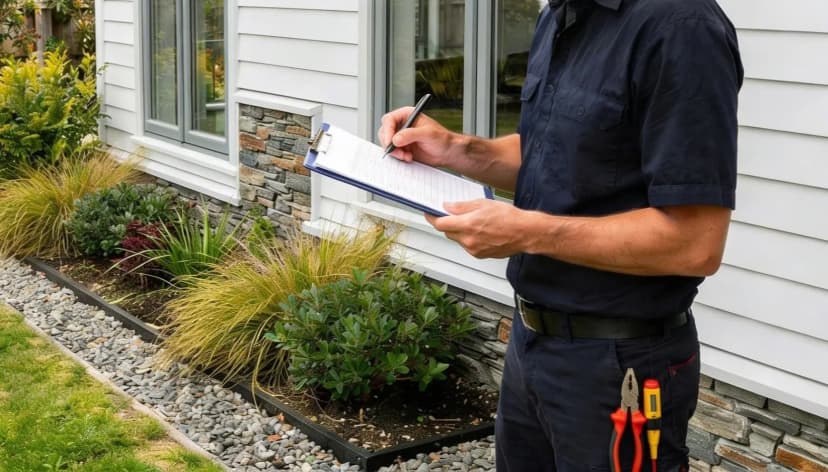
One recent example involved a customer at a rental property who had a circuit that repeatedly tripped whenever their fridge was plugged in. A1 Electrical attended site and carried out testing to determine whether the issue was with the electrical installation or the appliance itself. We found that the RCD was operating correctly, with normal trip times and ramp-test results. The earth fault loop impedance was also within normal limits, confirming the circuit and protective device were functioning as expected. We then isolated the fault by testing the circuit with the fridge disconnected. The RCD held correctly but tripped again as soon as the fridge was connected. Based on the test results, we identified the fridge as the source of the fault rather than an issue with the home’s wiring. This allowed the customer to arrange repair or replacement of the appliance rather than unnecessarily carrying out electrical work on a circuit that was testing correctly. This is why, when a breaker or RCD keeps tripping, it is important to properly diagnose the cause rather than simply resetting or replacing the protective device.
Ageing or Deteriorating Wiring
Many local character villas and older homes still have wiring that is decades old. Over time, insulation can crack, connections can loosen, and cabling that once suited a much lighter electrical load can struggle under today’s demands. If your breakers trip more often as the wiring ages, it may be a sign that a partial or full rewire is worth considering, both for reliability and for safety.
Faulty Appliances
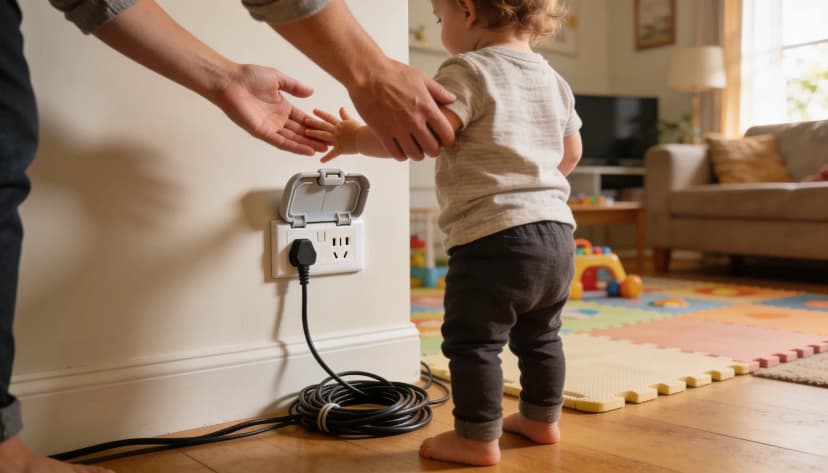
Sometimes the fault is not in your home’s wiring at all, but in a specific appliance. Unplugging everything from the affected circuit and reintroducing items one at a time is a simple way to identify the culprit. Appliances with worn cords, damaged plugs or internal faults should be repaired or replaced rather than left plugged in.
When a Tripping Circuit Breaker Means It’s Time to Call a Master Electrician
An occasional trip on a particularly demanding evening is usually nothing to worry about. If the tripping becomes frequent, or a breaker will not reset, it is worth calling a professional rather than resetting repeatedly. A qualified electrician can test each circuit and pinpoint whether the cause is a short circuit, an earth fault, a faulty appliance or ageing wiring, then recommend the right fix, whether that is rebalancing your circuits, addressing the wiring, or upgrading your switchboard.
Book a Switchboard Check
A1 Electrical has been diagnosing and fixing tripping circuit breakers across Dunedin, Mosgiel and the Otago region since 2006. As EWRB registered Master Electricians, we provide fixed-price quotes with no hidden costs, so you know exactly what a repair or switchboard upgrade will involve before any work begins.
If your breakers are tripping more often than they used to, do not keep resetting them and hoping the problem goes away. Contact A1 Electrical today for a switchboard assessment and a clear, honest recommendation.