Heat pumps are now the most common heating and cooling solution in New Zealand homes, with more than 40% of households owning one. They run on electricity, deliver three to five times as much heating energy as they consume, and on New Zealand’s predominantly renewable electricity grid they are among the lowest-emission heating options available.
Choosing the wrong heat pump for your space, however, can leave you cold in winter, overpaying on power bills, or stuck with a noisy unit that wears out too quickly. This guide walks you through the key decisions so you can choose with confidence.
Step 1: Decide Which Type of System You Need
The first question is not which brand to buy. It is which type of system suits your home’s layout and your goals.
Single-Split System
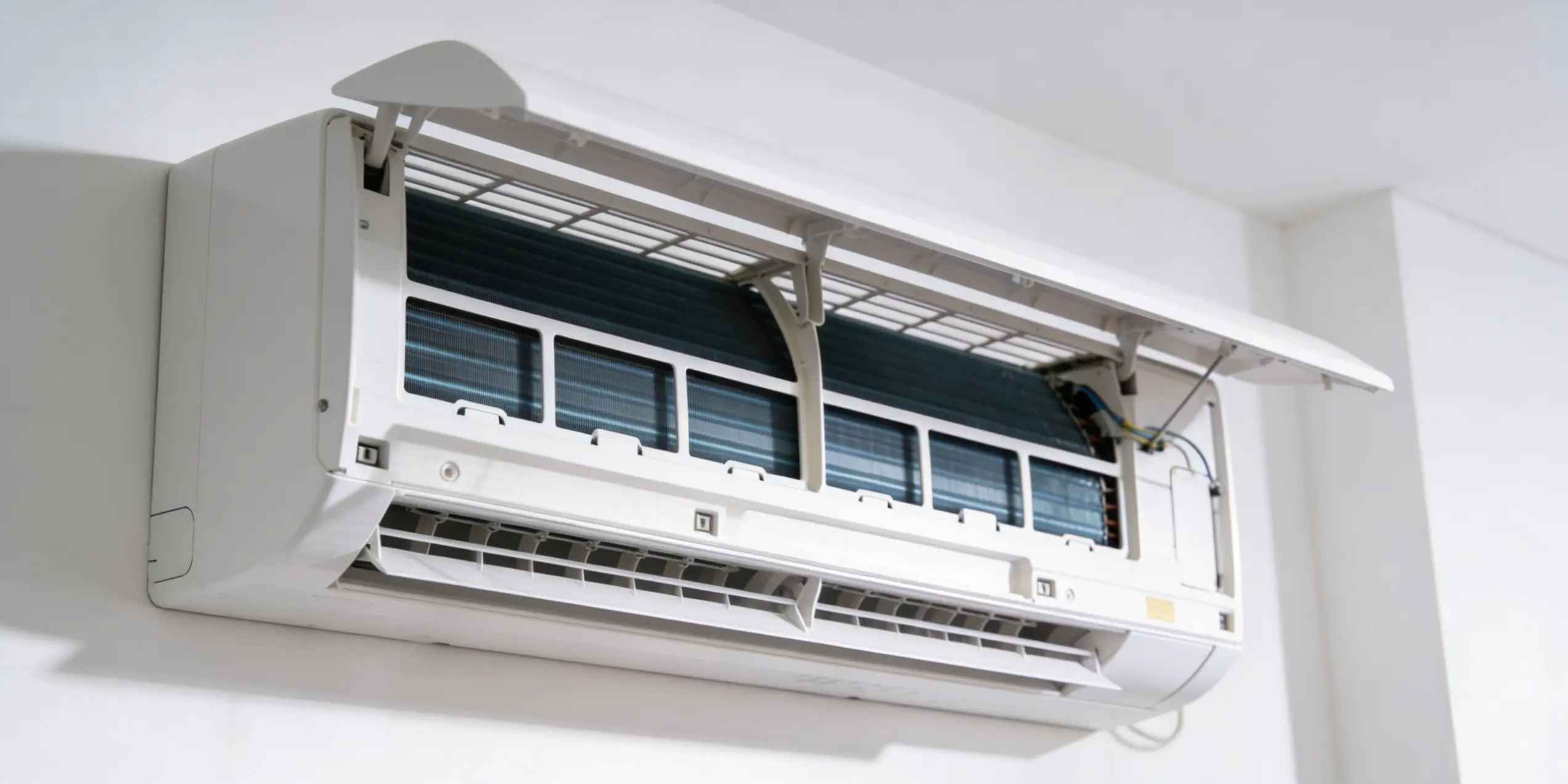
This is the most common type in NZ. One outdoor compressor unit connects to one indoor unit, heating or cooling the room it is installed in. Single-split systems are cost-effective, relatively simple to install, and well suited to open-plan living areas where one unit can comfortably cover a large space.
Multi-Split System
A single outdoor unit connects to multiple indoor units in different rooms. This avoids having multiple compressors outside and can be a tidy solution for medium-sized homes where you want climate control in two or three areas without running separate outdoor units.
Ducted System
A ducted heat pump uses a single high-capacity unit, typically mounted in the ceiling cavity, to push conditioned air through insulated ducts to outlets in multiple rooms. The visual impact is minimal, with only small vents visible in each room. Ducted systems are the preferred choice for whole-home heating in new builds and larger renovations. They cost more upfront and are less efficient than split systems due to some heat loss through the ducts, but they offer the most seamless result.
Step 2: Get the Sizing Right
Correct sizing is the single most important technical decision when choosing a heat pump. An undersized unit will run constantly and still fail to warm the room adequately in winter. An oversized unit will heat the space too quickly, then switch off, then restart, which wastes energy and causes uneven comfort.
The key variables that affect the required capacity include:
- Room dimensions: length, width, and ceiling height all contribute to the volume of air that needs to be conditioned.
- Insulation: a well-insulated home may require 30% less heating capacity than an uninsulated one of the same size.
- Number and size of windows: glass allows significantly more heat loss than insulated walls.
- Climate zone: homes in Dunedin, Southland, or the central North Island require more heating capacity for the same room size than homes in Auckland or Nelson. In Dunedin and the wider Otago region, the cooler climate means sizing up is often the right call.
Most reputable installers will conduct a room assessment before recommending a capacity. As a general guide, a 2.5kW unit suits a small bedroom of around 15 to 20 square metres, while a 6kW unit is appropriate for a large open-plan living area of 30 to 40 square metres. Always confirm sizing with a qualified installer rather than relying solely on online calculators.
Step 3: Check the Energy Efficiency Rating
New Zealand uses a Zoned Energy Rating Label for heat pumps and air conditioners. This label shows how efficiently a unit performs across the country’s actual climate zones, rather than in standardised laboratory conditions. A higher star rating means lower running costs. The difference between a two-star and a seven-star unit can be significant over the life of the product.
When comparing models, look at the COP (Coefficient of Performance) for heating. A COP of 4.0 means the heat pump produces 4kW of heating for every 1kW of electricity it consumes. Higher is better.
Step 4: Consider Noise Levels
Heat pumps produce sound from both the indoor and outdoor unit. For bedroom installations, the indoor unit should operate at 25 decibels or below in quiet mode. If the outdoor unit will be mounted close to a boundary fence or neighbour’s window, check the outdoor noise rating as well. Most reputable brands publish these figures, and a good installer will factor this into the placement recommendation.
Step 5: Choose a Reliable Brand with Local Support
The brand matters less than many people assume. What matters more is that the brand you choose has:
- A strong track record for reliability in New Zealand conditions.
- Spare parts and service technicians available locally.
- A warranty that can actually be honoured through a local service centre.
Brands that consistently rate well in the country include Mitsubishi Electric, Daikin, Fujitsu, Panasonic, and Mitsubishi Heavy Industries (MHI). All offer a range of models at different price points and have established service networks throughout the country. A1 Electrical are accredited Fujitsu and Mitsubishi installers, and our team can advise on which brands best suit your home and budget.
Step 6: Think About Smart Features
Many modern heat pumps include Wi-Fi connectivity, allowing you to control the unit via a smartphone app. This is genuinely useful if you want to warm the house before you arrive home, or monitor energy use remotely. Confirm that the app is supported in NZ and check user reviews before factoring this heavily into your decision.
Some models also include motion sensors that can detect when a room is unoccupied and adjust output accordingly. These features add cost but can contribute to lower running costs over time.
What Does a Heat Pump Cost in New Zealand?
Purchase and installation costs vary depending on the type of system and the complexity of the installation. As a general guide:
- Single-split system (supply and install): approximately $2,000 to $4,500 for a standard residential unit.
- Multi-split system: approximately $5,000 to $9,000 depending on the number of indoor units.
- Ducted system: approximately $8,000 to $20,000 or more, depending on home size and duct complexity.
Running costs depend on the size of the unit, your energy tariff, and how you use it. EECA estimates that a heat pump could save a typical household a meaningful amount compared with gas heating — check the current EECA figures at eeca.govt.nz for the latest comparison. In practice, households switching from plug-in electric heaters often see significantly larger savings.
Getting the Best Results from Your Heat Pump
A heat pump that is well chosen and professionally installed will still underperform if used incorrectly. A few practical tips:
- Set the temperature to 18 to 22 degrees Celsius and leave it there rather than cranking it up high and then switching it off.
- Close doors and windows when the unit is running to keep conditioned air in the room.
- Clean the filter every few months. A blocked filter reduces efficiency and can shorten the life of the unit.
- Have your system serviced by a qualified technician every two to three years.
The Bottom Line
The best heat pump for your home is the one that is correctly sized for your space, matched to the right type of system for your layout, and installed by a qualified professional. Choosing purely on price often leads to a unit that is too small, too noisy, or without adequate local support. Taking the time to get the decision right means years of comfortable, cost-effective heating and cooling ahead.
A1 Electrical installs heat pumps for residential and commercial clients across Dunedin, Mosgiel, and the wider Otago region. Our team can advise on sizing, system type, and brand selection — and install your new unit to AS/NZS standards. Get in touch to discuss your requirements.