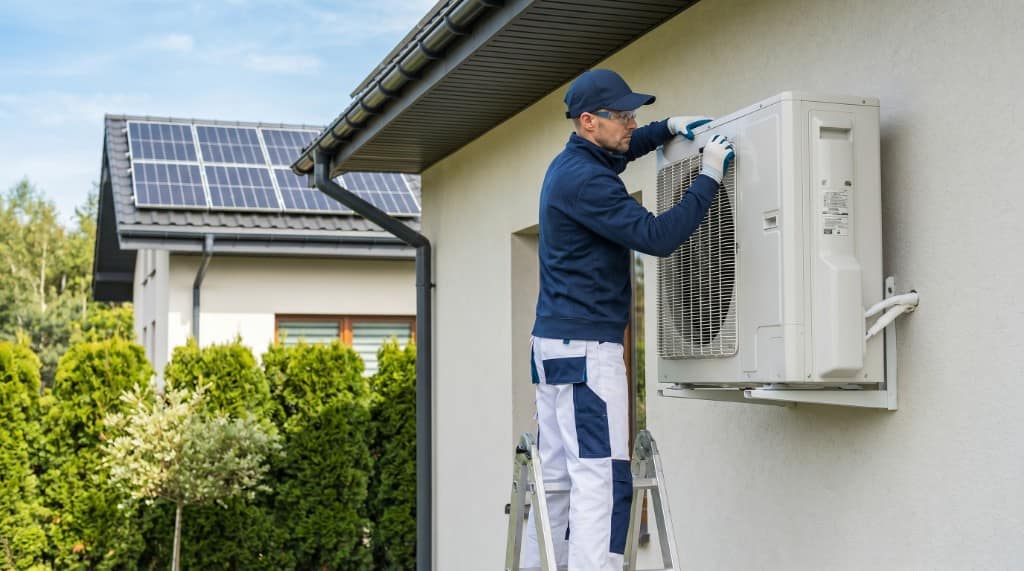
The honest answer is that a single high wall heat pump supplied and installed in Dunedin usually lands somewhere between around $2,500 and $4,500 in NZD, and a larger living area or top of the range unit can run from around $4,500 to $7,000 or more. That spread is wide for a reason. The unit you choose, the layout of your home, and the work needed behind the wall all move the number, and the only figure that actually means anything is the fixed quote you get after a free site assessment. Below is what sits inside that price, and how to make sure the system you pay for is the right one for an Otago winter.
What’s Included in the Price
A heat pump quote covers two distinct things: the hardware and the installation. People tend to fixate on the unit price they saw advertised, but the install is where the quality, and a fair chunk of the cost, actually lives.
The hardware is the indoor head and the outdoor compressor, plus the refrigerant pipework, drainage, electrical cabling, and mounting brackets. The labour covers mounting both units, running and insulating the pipework, drilling the wall penetration, wiring the system back to your switchboard, commissioning it, and testing that it heats and cools to spec.
It should also include the paperwork. A compliant install in New Zealand comes with a Certificate of Compliance for the electrical work, issued by a licensed electrician. If a quote is suspiciously cheap, that is usually the first corner being cut.
What Drives the Cost Up or Down
Two homes can get very different quotes for the same model, and it almost always comes down to the install rather than the unit. The main factors:
| Factor | Effect on price |
|---|
| Unit size and brand | Bigger output and premium ranges cost more |
| Pipe run length | Long runs between indoor and outdoor units add labour and materials |
| Mounting height and access | High walls, scaffolding, or tight roof spaces add time |
| Wall type | Brick, concrete, or double glazing penetrations are slower than weatherboard |
| Outdoor unit position | Ground mount versus wall bracket versus roof affects cost |
| Switchboard capacity | An older board may need work before it can carry the load |
| Number of units | Each additional head multiplies most of the above |
The switchboard one catches people out. A heat pump is a meaningful electrical load, and if your board is old or already near capacity, it may need attention before the system can be safely connected. If that comes up during the assessment, we will tell you straight away rather than discovering it mid install. You can read more on our switchboard upgrade page if your board is showing its age.
Single Room Versus Whole Home
Most quotes are for one high wall unit warming a main living space, and for a lot of Dunedin homes that is the sensible starting point. Heat the room you live in, do it well, and let the warmth drift.
If you want to heat multiple rooms, you have two broad options. A multi split system runs several indoor heads off one outdoor compressor, which keeps the exterior tidy but costs significantly more than a single unit. A fully ducted system pushes warm air through the ceiling into several rooms from a central unit, which is the most discreet and even option but also the most expensive, often running well into five figures depending on the size of the home and the ducting required.
There is no single right answer. A single well sized unit in the right room frequently outperforms a cheap system spread too thin. The site assessment is where that call gets made properly.
Running Costs and Efficiency
A heat pump is the cheapest way to heat most New Zealand homes, and the running cost is where the real savings sit. A good unit delivers roughly three to five units of heat for every unit of electricity it draws, which is why it beats a plug in heater or an old fashioned element hands down.
That ratio is not fixed, though. Efficiency drops as the outside temperature falls, and in Otago we get genuinely cold mornings where a cheaper unit struggles. The headline efficiency figure quoted in a warm test lab is not what you will see at minus two on a Dunedin July morning. This is exactly why sizing for heating performance matters here more than it does further north.
Choosing the Right Unit for Dunedin’s Climate
Sizing is the single most important decision, and it is where DIY thinking and big box store advice tend to fall down. An undersized unit runs flat out, never quite gets there, and costs more to run because it never reaches its efficient operating range. An oversized unit short cycles, which wears it out and wastes power.
For Otago specifically, you want a model rated to hold its heating output in low temperatures, not just one with an impressive number on the box. Cold climate ranges are built for this, with features that keep them working when the frost is on the lawn. As Mitsubishi Electric and Fujitsu accredited installers, we fit units we know perform through a Southern winter, and we size them to the actual room rather than to a sales target.
We have written a fuller guide on choosing the right heat pump if you want to dig into the model decision before you book. When you are ready, our heat pump installation service covers supply, fit, and certification end to end.
Why a Proper Install Matters
A heat pump is only as good as the hands that fit it. A poor install shows up as drips down the wall, a refrigerant leak that quietly kills efficiency, noise that drives you up the wall, or electrical work that does not meet standard.
In New Zealand the electrical side of a heat pump install must be carried out by a licensed person, and it should come with a Certificate of Compliance confirming the work is safe and meets the wiring rules. A1 Electrical is EWRB licensed, and every install we do is certified and signed off. That certificate is not red tape. It is your proof the job was done properly and your protection if anything is ever questioned, from an insurance claim to a future house sale.
Accreditation matters too. Manufacturer warranties on units like Mitsubishi Electric and Fujitsu generally depend on the system being fitted by an accredited installer. Get a cheap cash job from someone unaccredited and you can find the warranty is worthless when you need it.
So What Should You Budget?
As a rough planning figure for 2026, expect a single high wall unit supplied and installed from around $2,500 to $4,500 in NZD, a larger living area or high specification unit from around $4,500 to $7,000 or more, and multi room or ducted systems considerably above that depending on the layout. Those are ranges, not promises, because your home decides the real number.
The only way to know what your install will actually cost is a free site assessment, where we look at the room, the access, the wall, and your switchboard, then give you a fixed quote with no surprises. We have been doing this across Dunedin, Mosgiel, and wider Otago since 2006, and we would rather size it right once than fix a cheap job twice.
Call A1 Electrical on 03 453 0415 to book your free heat pump assessment, and we will get you sorted before the next cold snap.