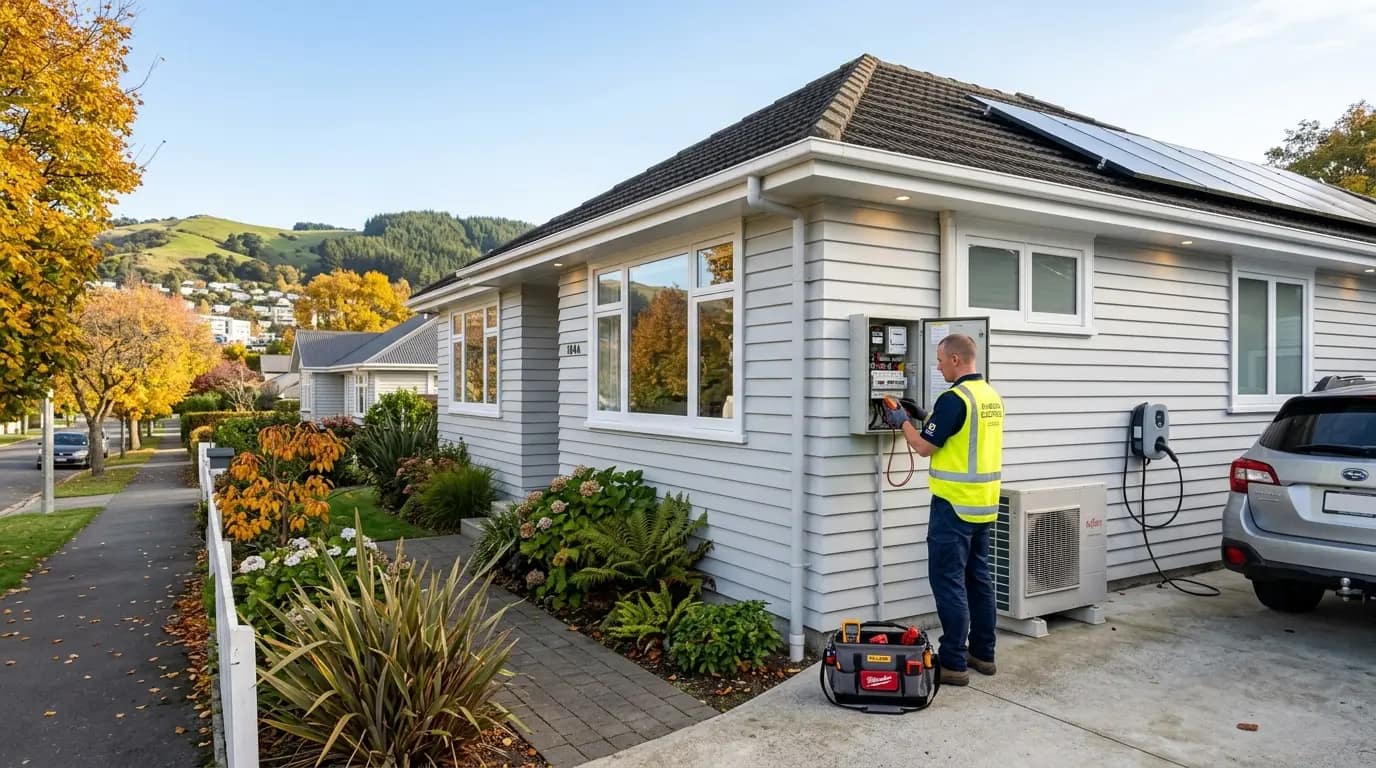
Dunedin has some of the most beautiful and characterful older housing in New Zealand. Many homes across Otago were built in an era when energy efficiency was simply not a consideration, and the electrical systems that came with them reflect that reality. Ageing wiring, outdated switchboards, and old heating solutions all contribute to unnecessarily high power bills and, in some cases, genuine safety risks.
The good news is that targeted electrical upgrades can make a significant and measurable difference. At A1 Electrical, we work with homeowners every week to modernise their electrical systems in ways that improve comfort, reduce running costs, and bring homes up to current safety standards.
Start With a Professional Electrical Inspection
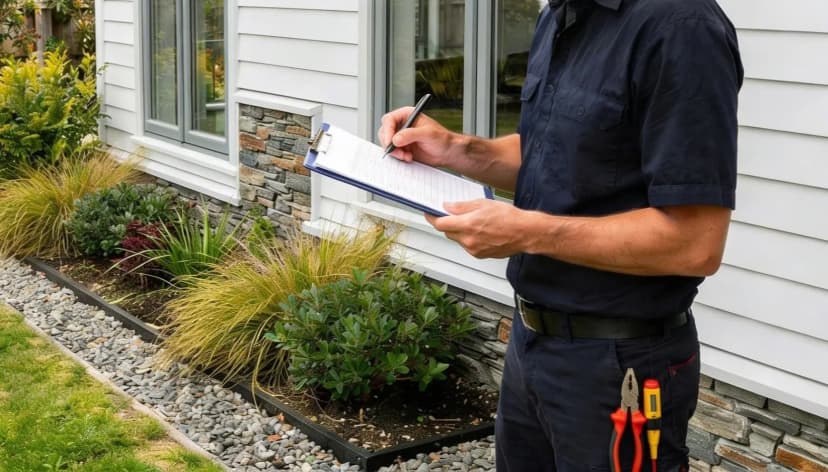
Before making any decisions about upgrades, the smartest first step is to have a qualified electrician assess your current system. An electrical inspection identifies ageing wiring, under-capacity switchboards, and any potential safety issues. It gives you a clear picture of what your home actually needs rather than what a general checklist might suggest.
This is especially important for homes built before the 1980s, when wiring materials and installation standards were quite different from today. An inspection report from A1 Electrical comes with transparent recommendations and fixed-price quotes, so you can plan upgrades in a logical order and budget effectively.
Upgrade Your Switchboard
An old switchboard is one of the most common electrical limitations in older New Zealand homes. Many properties built before the 1990s still have ceramic fuse boards or early circuit breaker panels that are not equipped to handle the electrical loads a modern household demands. Running multiple heat pumps, EV chargers, dishwashers, and home offices simultaneously can overwhelm an outdated board.
A modern switchboard from a trusted brand such as Schneider or Legrand includes residual current devices (RCDs) and surge protection as standard. RCDs respond within milliseconds to a fault condition and can prevent serious injury from electric shock. RCDs are required in all new electrical installations and as part of any prescribed electrical work under current New Zealand safety standards — and represent a significant safety improvement for any older home. For warning signs that your board may need attention, see the signs your switchboard needs an upgrade.
Replace Old Wiring Where Needed
Older properties may still have aluminium wiring, rubber-insulated cables, or cloth-sheathed wiring that has degraded significantly over time. These materials were appropriate for their era but carry real risks when used in a modern home. Degraded insulation can cause arcing, which is a leading cause of residential electrical fires.
A full or partial rewire brings your home’s electrical infrastructure up to current AS/NZS 3000 standards. The work is carried out with minimal disruption and completed by EWRB-licensed electricians who issue a Certificate of Compliance upon completion, giving you a clear legal record that the installation is safe and compliant.
Install LED Lighting Throughout
Lighting accounts for a meaningful portion of household electricity use, and the shift from halogen or incandescent fittings to modern LED throughout a home can reduce lighting-related energy consumption significantly. LED bulbs use a fraction of the energy of older globe types and last far longer, reducing replacement costs as well.
For older homes with dated light fittings, an upgrade to modern LED downlights or fittings is a relatively affordable electrical project that delivers immediate and ongoing savings. A1 Electrical can advise on the right fitting types and colour temperatures for different rooms, and can advise on fittings not compatible with modern LEDs without an adaptor.
Add or Upgrade Power Points to Reduce Extension Lead Use
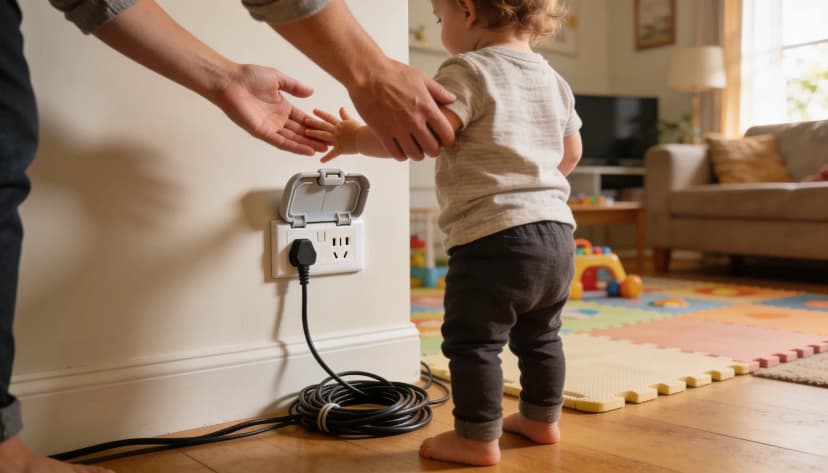
In homes built before personal computers, smartphones, and modern kitchen appliances were common, there are rarely enough power points to meet today’s demands. The result is a reliance on extension leads and powerboards, which can become overloaded and represent a genuine safety hazard.
Installing additional dedicated circuits and power points in key areas of your home eliminates the need for extension leads and ensures each circuit is correctly rated for its intended purpose. Kitchen circuits, home office areas, and outdoor power points are common priorities for homeowners undertaking electrical upgrades.
Consider Heat Pump Installation as Part of Your Upgrade
If your older home still relies on electric bar heaters or oil column heaters for warmth, replacing them with a modern heat pump system is one of the highest-impact energy efficiency improvements available. Heat pumps deliver two to three units of heat for every unit of electricity consumed, making them substantially more efficient than resistance heating.
A1 Electrical is an accredited installer for both Fujitsu and Mitsubishi heat pump systems. As part of a broader electrical upgrade, we can size and install a heat pump that is appropriate for your home’s layout and our region’s climate demands, ensuring you have the right system for the conditions rather than a unit that struggles in colder temperatures. Our guide on how to choose the right heat pump for your home covers sizing, types, and brands.
EV Charging: Future-Proof Your Electrical System
More homeowners across New Zealand are making the switch to electric vehicles, and older homes with limited power capacity are often not ready to support home charging without some electrical work. Adding a dedicated EV charging circuit ensures safe, reliable charging without placing excessive load on existing circuits that may already be at capacity.
Planning for EV charging as part of a broader electrical upgrade is a cost-effective approach, as conduits and circuits can be laid alongside other work rather than requiring a separate visit.
Talk to A1 Electrical About Your Home
Every older home is different, and the right upgrade plan depends on your specific situation. The A1 Electrical team brings decades of experience working with our region’s diverse housing stock, from Victorian villas in central Dunedin to post-war bungalows and rural properties across the district.