Rewiring is one of those jobs most homeowners never think about until something forces the question. A buzzing socket, a fuse that keeps blowing, a building inspection before a sale. And the first thing everyone wants to know is the same: what is this going to cost? The honest answer is that it depends, but that does not mean we can’t give you a realistic picture. Below is a straight look at what rewiring a house in New Zealand actually involves in 2026, what drives the price, and how to tell whether your home needs it at all.
What Does It Cost to Rewire a House in NZ?
There is no single figure, and anyone who quotes you one over the phone without seeing the house is guessing. That said, here are defensible ranges for 2026.
| Scope | Typical NZD range | What it usually covers |
|---|
| Partial rewire | $2,500 – $6,000+ | A few problem circuits, a single area, or staged replacement of the worst wiring |
| Full rewire, smaller home | $8,000 – $14,000 | A compact two or three bedroom single storey home |
| Full rewire, larger home | $14,000 – $20,000+ | Larger or two storey homes, more rooms and circuits, harder access |
A partial rewire is far cheaper than a full one, which is why a proper assessment matters. Sometimes you only need to replace the wiring that has actually failed, not the whole house. The two biggest variables are house size and access. A single storey home with an accessible roof space and a subfloor you can crawl through is straightforward. A two storey home with plastered walls, no cavity access and finished ceilings means more careful work to thread cabling without tearing the place apart, and that pushes the cost up.
Other things that move the number: the number of rooms and circuits, the type of wall linings, and whether the switchboard is upgraded at the same time (it usually is, more on that below). These are ranges, not quotes. Every fixed price we give follows a free on site assessment, because the only way to price the job accurately is to look at it.
Signs Your House Needs Rewiring
A lot of Dunedin and Otago homes are older, and ageing wiring is common in this part of the country. Here is what tells us a home is due for attention.
- Old ceramic fuse boxes. If you are still replacing fuse wire by hand, the wiring behind it is often the same vintage.
- Cloth or rubber insulated wiring. Early to mid twentieth century cabling used rubber or fabric insulation that becomes brittle, cracks and crumbles with age. Once it goes, bare conductors are exposed inside your walls.
- No RCDs. Modern safety switches cut power in milliseconds when they detect a fault. If your home has none, it does not meet current standards and offers little shock protection.
- Frequent tripping or blown fuses. Occasional trips happen. Constant ones point to overloaded or degraded circuits.
- Scorch marks, discolouration or a burning smell. Around sockets, switches or the switchboard, this is serious and needs immediate attention.
Burning smells, scorch marks or buzzing are not “keep an eye on it” problems. Turn off the affected circuit and call a licensed electrician straight away. If your symptoms are mostly at the board itself, our guide to the signs your switchboard needs an upgrade is worth a read first.
What’s Actually Involved in a Rewire
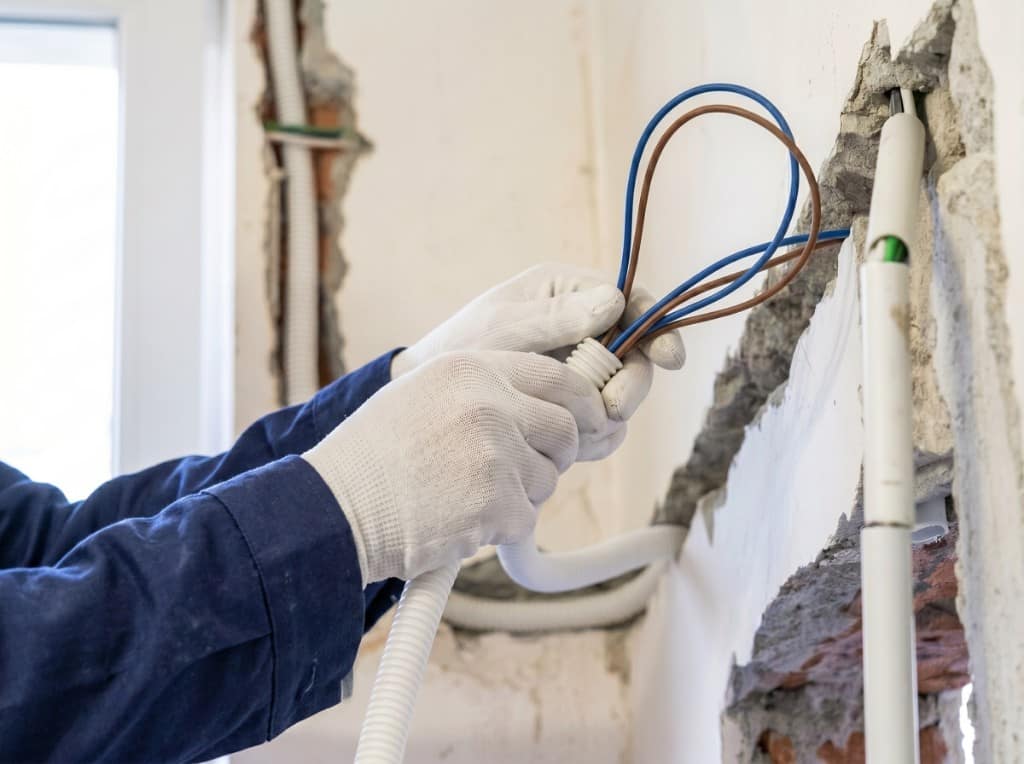
Rewiring means replacing the cabling that runs through your walls, ceilings and floors, along with the sockets, switches and connections it feeds. On a full rewire we run new cabling throughout, install modern fittings, and tie everything back to the switchboard. Because we work through roof spaces, subfloors and wall cavities wherever we can, a careful rewire creates far less mess than people fear, though some making good is usually needed where walls have to be opened.
The switchboard is almost always upgraded as part of the job. A new wiring system needs a modern board with circuit breakers and RCD protection to be safe and compliant, so the two go together naturally. You can see what that side of the work covers on our electrical rewiring and switchboard upgrades page.
When the work is complete, we test every circuit and issue a Certificate of Compliance. That certificate is your proof the work was done to New Zealand standards, and it matters for insurance and for any future sale.
Full Rewire or Partial Rewire?
Not every home needs the full job. A partial rewire targets the circuits or areas that have failed or fallen behind standard, while sound wiring is left in place. It is the right call when problems are localised, when budget needs to be staged, or when only part of a home has older cabling, common in places that have been extended or renovated over the years.
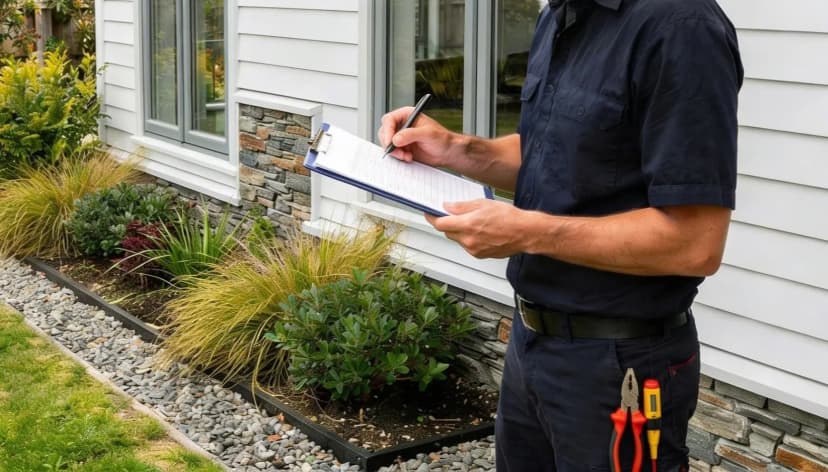
A full rewire makes sense when the wiring is uniformly old, when insulation is breaking down throughout, or when you are renovating anyway and the walls are already open. The only way to know which path fits your home is to have it assessed. An electrical inspection is the sensible first step, since it tells you exactly what condition the wiring is in before you commit to anything.
How Long Does It Take?
A partial rewire might be a day or two. A full rewire on an average home typically runs across several days to a couple of weeks, depending on size, access and how much making good is required. Two storey homes and occupied houses take longer than empty single storey ones. We will give you a realistic timeline as part of your quote, and we work to keep disruption to a minimum, often staging the work so you keep power to part of the house throughout.
Why It’s Worth Doing
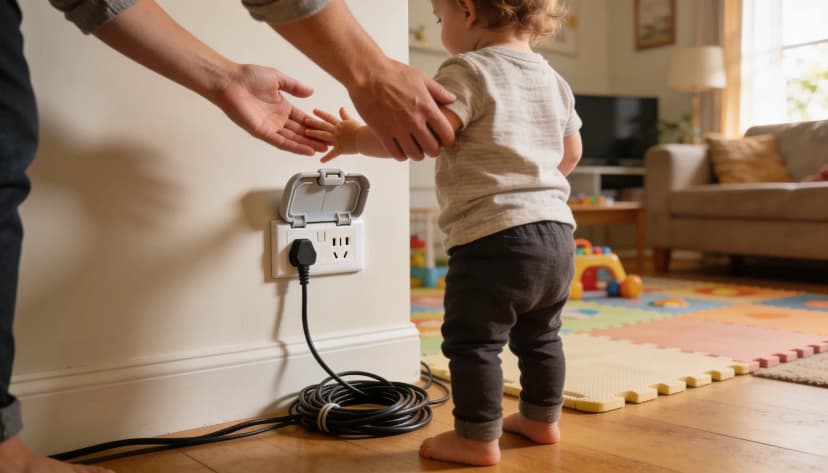
Old wiring is one of the leading causes of house fires, and that risk alone is reason enough. Beyond safety, a rewire brings real practical benefits.
- Safety. Modern cabling and RCD protection dramatically reduce fire and shock risk.
- Insurance. Insurers increasingly expect homes to have safe, compliant wiring, and a Certificate of Compliance gives you documented proof.
- Selling. Buyers and their inspectors look closely at electrical systems. Sound wiring removes a common sticking point and protects your asking price.
- Capacity. Modern homes run heat pumps, EV chargers and far more appliances than the wiring in older homes was ever designed for.
Think of it as long term value rather than just a cost. Done once, properly, a rewire sets your home up for decades.
Get a Clear, Honest Assessment
A1 Electrical are EWRB licensed Master Electricians, established in 2006, serving Dunedin, Mosgiel and the wider Otago region. We will assess your home, tell you honestly whether you need a full rewire or just a partial one, and give you a fixed price quote after we have seen the job, never a guess over the phone. Every completed job comes with a Certificate of Compliance.
If you are seeing any of the warning signs above, or you just want peace of mind about an older home, give us a call on 03 453 0415 or book a free assessment.